

Steel Plate Weight Calculator
Calculate the weight of steel plates based on dimensions, shape, and material type. Perfect for construction planning, shipping estimates, and material handling.
Missing Required Information
Please enter all required fields to calculate the weight.
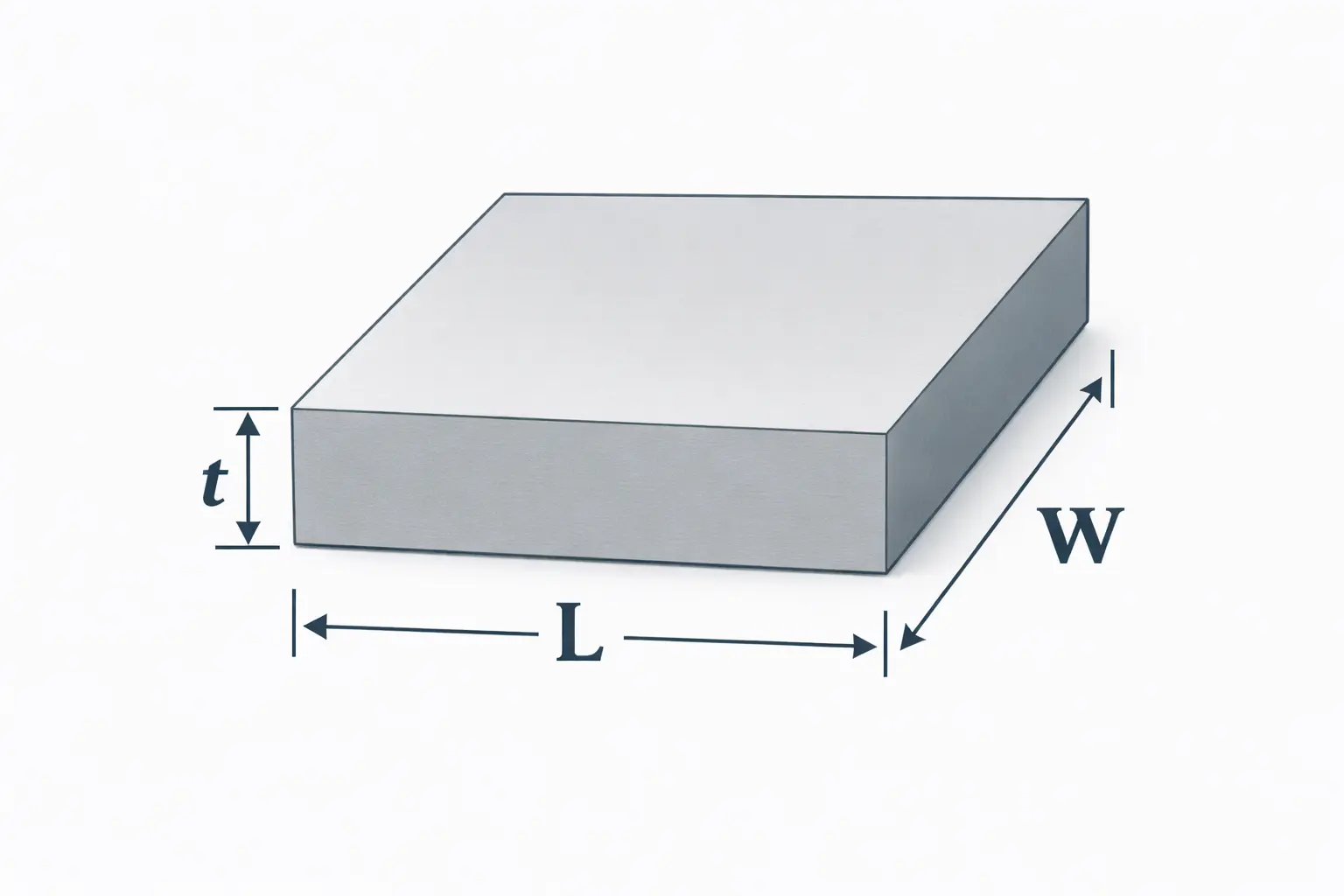
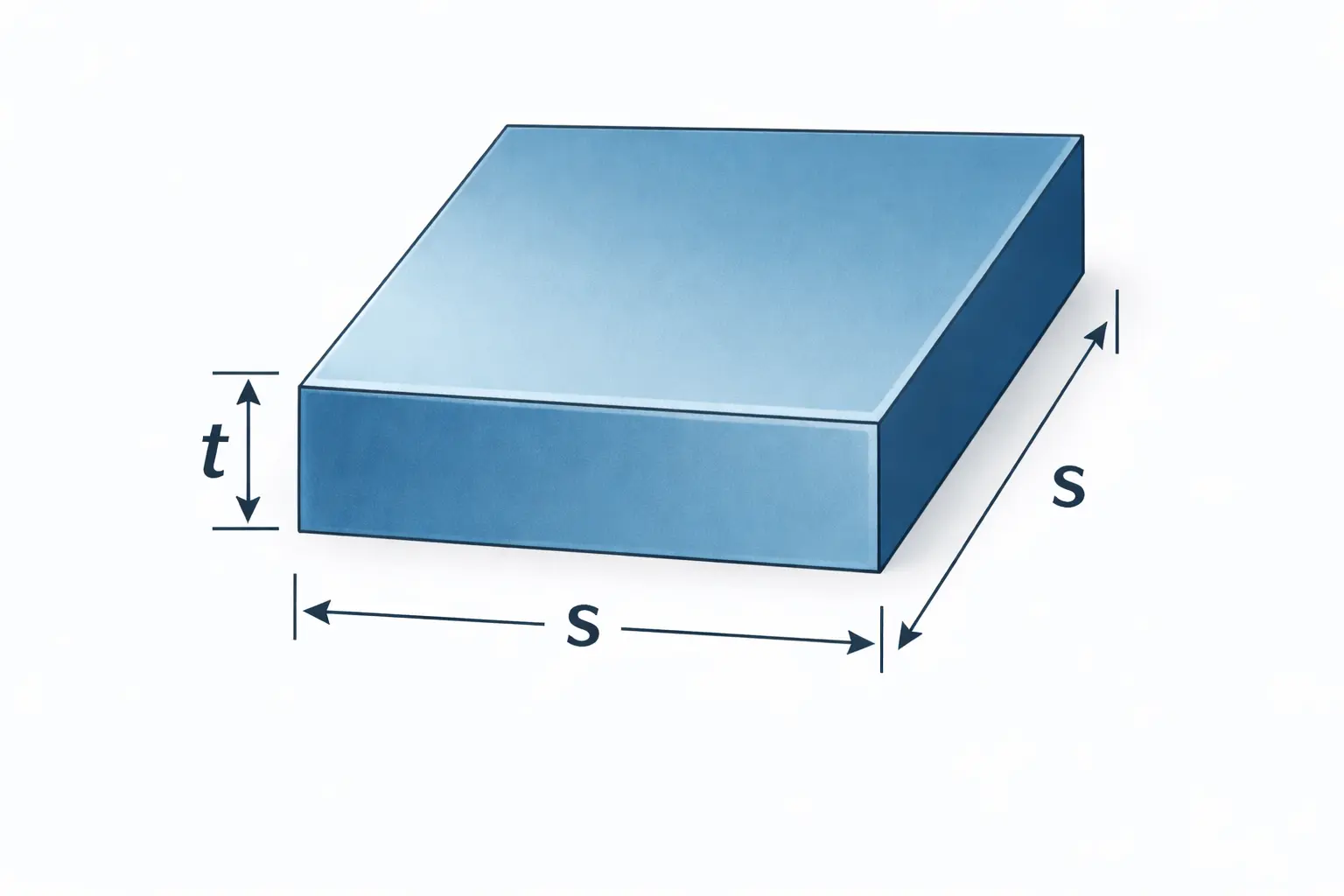
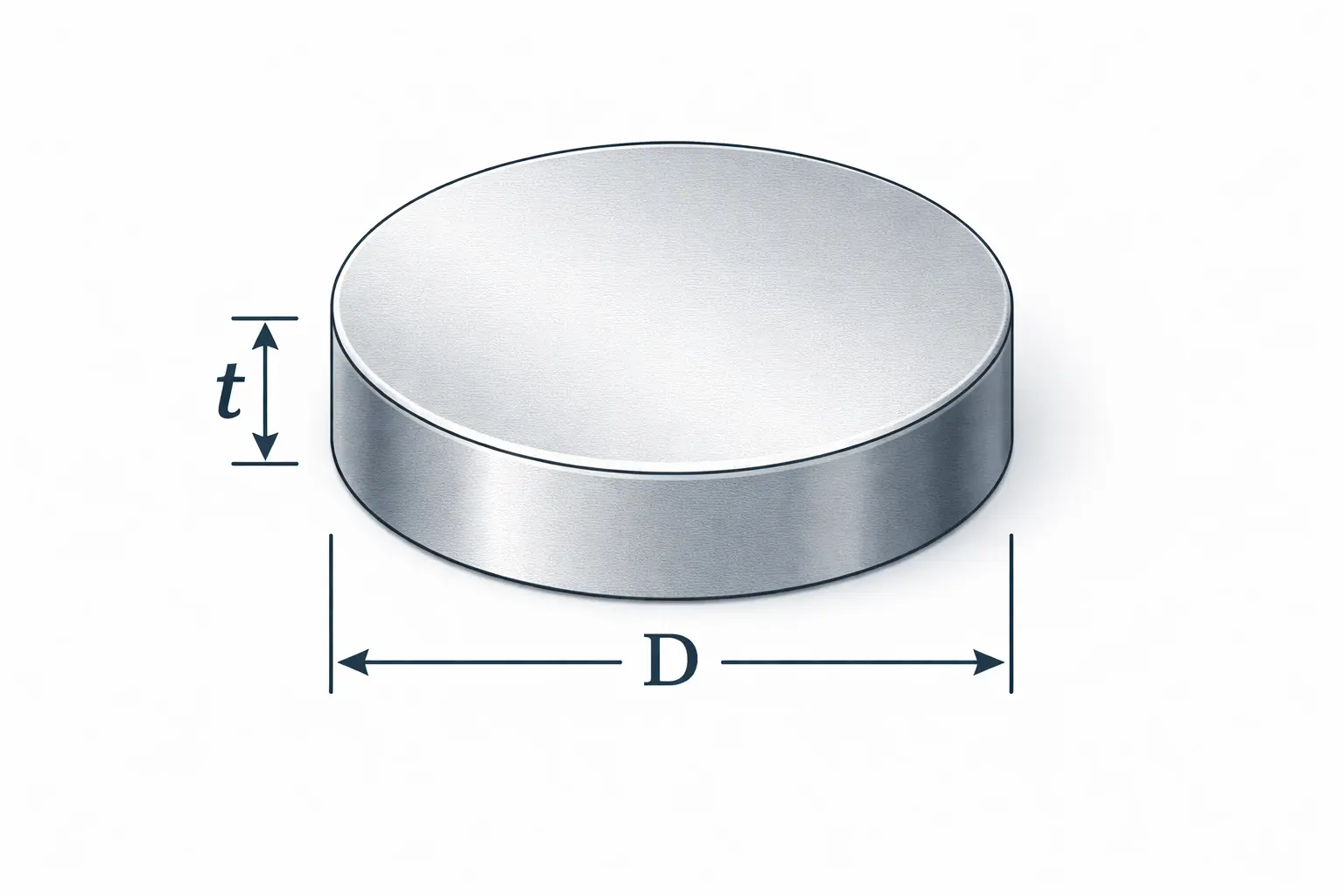
Final Result
No calculation yet
Enter dimensions and material type to calculate steel plate weight.
What is Steel Plate Weight Calculation?
If you've ever been involved in construction, manufacturing, or even just moving heavy metal plates, you know that steel plates can be incredibly heavy. I learned this lesson when a contractor friend asked me to help move what looked like a simple sheet of steel, only to discover it weighed over 500 pounds. That's when I realized just how important accurate weight calculations really are.
Steel plate weight calculation is basically about figuring out how much a steel plate weighs based on its dimensions and the type of steel it's made from. Different types of steel have different densities, which means a carbon steel plate will weigh differently than a stainless steel plate of the exact same size. This matters big time when you're planning shipping costs, determining what equipment you need for handling, or making sure your structure can support the weight.
The calculation itself is straightforward once you understand the basics. You calculate the volume of the plate (length times width times thickness), then multiply that by the material's density. The tricky part is making sure all your measurements are in consistent units and using the right density value for your specific steel type.
Why This Actually Matters
Getting the weight right impacts everything from your budget to your safety. Shipping companies charge by weight, so an inaccurate calculation can mean unexpected costs. Structural engineers need accurate weights to design supports. And if you're handling these plates manually, knowing the actual weight could be the difference between a smooth job and a dangerous situation.
Plus, different steel types have different densities, so using the wrong density value will throw your calculation way off. A stainless steel plate weighs about 2% more than a carbon steel plate of the same size. That might not sound like much, but on a large plate, it adds up fast.
How to Calculate Steel Plate Weight
The formula for calculating steel plate weight is pretty straightforward once you break it down. You're essentially figuring out how much space the plate takes up (volume), then multiplying by how heavy the material is per unit volume (density).
The Formula
Weight = Volume × Density
Or expanded:
Weight = Length × Width × Thickness × Density
For circular plates:
Weight = π × (Diameter/2)² × Thickness × Density
Here's what each part means: length, width, and thickness are your plate dimensions, and density depends on what type of steel you're working with. Carbon steel typically has a density of 7,850 kg/m³ (or 0.2836 lb/in³), while stainless steel is about 8,000 kg/m³ (0.289 lb/in³).
Step-by-Step Calculation
Step 1: Measure your plate dimensions. Get the length, width (for rectangular plates), or diameter (for circular plates), and thickness. Make sure all measurements are in the same unit system - don't mix inches with feet or centimeters with meters.
Step 2: Identify the material type. This determines the density you'll use. Carbon steel is the most common, but stainless steel, aluminum, brass, and copper all have different densities that will affect the final weight.
Step 3: Calculate the area. For rectangular plates, it's length times width. For square plates, it's side squared. For circular plates, it's π times radius squared (or π times diameter squared divided by 4).
Step 4: Calculate the volume by multiplying the area by the thickness. Make sure your thickness is in the same units as your other dimensions.
Step 5: Multiply the volume by the material density. This gives you the weight of a single plate. If you have multiple plates, multiply by the quantity.
Real Example
Let's calculate the weight of a carbon steel rectangular plate that's 200 cm long, 300 cm wide, and 400 cm thick:
Length = 200 cm = 2 m
Width = 300 cm = 3 m
Thickness = 400 cm = 4 m
Volume = 2 × 3 × 4 = 24 m³
Density (Carbon Steel) = 7,850 kg/m³
Weight = 24 × 7,850 = 188,400 kg (415,275 lbs)
That's a massive plate weighing over 188 metric tons. This example shows why accurate calculations are so important for structural planning and equipment selection.
Understanding Steel Plate Densities
Not all steel is created equal when it comes to density. The type of steel you're working with significantly affects the final weight calculation. Understanding these differences helps you choose the right material for your project and get accurate weight estimates.
| Material Type | Density (kg/m³) | Density (lb/in³) | Common Uses |
|---|---|---|---|
| Carbon Steel | 7,850 | 0.2836 | Most common construction steel |
| Stainless Steel | 8,000 | 0.289 | Food processing, marine, medical |
| Aluminum | 2,700 | 0.0975 | Lightweight applications, aerospace |
| Brass | 8,500 | 0.307 | Decorative, fittings, marine |
| Copper | 8,960 | 0.324 | Electrical, roofing, plumbing |
Why Density Matters
Density is the key factor in weight calculation. Even a small difference in density can result in significant weight differences, especially on large plates. A stainless steel plate weighs about 2% more than a carbon steel plate of the same size, which might not sound like much until you're dealing with multiple tons of material.
Material Selection Impact
Choosing the right material isn't just about weight - it's about strength, corrosion resistance, cost, and application requirements. But weight is often a major factor in transportation costs and handling requirements, so understanding how different materials affect weight helps with overall project planning.
Applications of Steel Plate Weight Calculations
Knowing how much steel plates weigh isn't just academic knowledge - it's practical information you need in real-world situations. From construction projects to manufacturing operations, accurate weight calculations help with planning, budgeting, and safety.
Construction Projects
Steel plates are everywhere in construction - foundation plates, structural supports, bridge decking, and building frameworks. Engineers need accurate weights to design supporting structures, calculate load requirements, and ensure buildings can safely handle the weight. Contractors use weight calculations to determine what equipment they'll need for installation.
Shipping and Logistics
Shipping costs are directly tied to weight, so accurate calculations help you budget correctly. Trucking companies have weight limits, so you need to know if your shipment will fit within those limits. Container shipping requires precise weight information for proper loading and distribution. Getting this wrong can mean expensive surprises or logistics headaches.
Manufacturing and Fabrication
Manufacturers use steel plates for machinery bases, equipment housings, and production fixtures. Knowing the weight helps with material ordering, inventory management, and production planning. Fabricators need accurate weights when cutting, welding, or forming plates, and when selecting appropriate lifting equipment.
Equipment Selection
Choosing the right equipment for handling steel plates depends entirely on knowing the weight. Cranes, forklifts, and lifting equipment all have weight capacity limits. Using equipment that's too small is dangerous, while using oversized equipment is wasteful. Accurate weight calculations ensure you select equipment that's both safe and cost-effective.
Factors Affecting Steel Plate Weight
While the basic calculation seems straightforward, several factors can affect the actual weight of a steel plate. Understanding these helps you get more accurate results and avoid surprises.
Material Composition
The type of steel makes a huge difference. Carbon steel, stainless steel, and alloy steels all have different densities. Even within the same steel type, different grades can have slightly different densities. Always use the density value that matches your specific material type for the most accurate calculation.
Plate Thickness Variations
Manufacturing tolerances mean that a plate specified as 1 inch thick might actually measure anywhere from 0.95 to 1.05 inches. While this doesn't seem like much, on a large plate, these small variations can add up to noticeable weight differences. For critical applications, measure actual thickness rather than relying on nominal dimensions.
Surface Treatments and Coatings
Coatings like paint, galvanizing, or other protective treatments add weight, though usually only a small percentage. Galvanizing typically adds about 2-5% to the weight. For precision applications, you might want to account for coating weight, but for most purposes, the base material weight is sufficient.
Measurement Accuracy
Small measurement errors can lead to significant weight calculation errors, especially on large plates. A 1% error in length on a 10-foot plate might not seem like much, but multiply that error across all dimensions and you could be off by several percent on the final weight. Always measure carefully and use consistent units throughout your calculation.
Frequently Asked Questions
How accurate is this calculator?
This calculator is very accurate when you input correct dimensions and select the right material type. We use standard density values from material science databases. For carbon steel, the calculation will typically be within 1-2% of the actual weight, assuming your measurements are accurate. The accuracy depends mostly on how precisely you measure your plate dimensions.
What's the difference between carbon steel and stainless steel density?
Carbon steel has a density of about 7,850 kg/m³ (0.2836 lb/in³), while stainless steel is slightly denser at 8,000 kg/m³ (0.289 lb/in³). That means a stainless steel plate weighs about 2% more than a carbon steel plate of the same size. On large plates, this difference becomes significant, so it's important to select the correct material type.
Can I use this for plates with holes or cutouts?
This calculator assumes solid plates without holes or cutouts. If your plate has holes or cutouts, you'd need to calculate the weight of the solid plate first, then subtract the weight of the removed material. For complex shapes with many cutouts, you might want to break the plate into sections and calculate each separately, then add them together.
How do I convert between different units?
The calculator handles unit conversions automatically. Just select your preferred units from the dropdown menus. The calculator will convert everything internally to ensure accurate calculations. Common conversions: 1 inch = 2.54 cm, 1 foot = 30.48 cm, 1 meter = 100 cm, and for density, 1 kg/m³ = 0.000036127 lb/in³.
Does plate thickness include coatings or paint?
The thickness measurement should be the base metal thickness, not including coatings. Coatings like paint, galvanizing, or powder coating typically add only a few percent to the total weight. For most applications, this small difference isn't critical, but for precision work, you might want to account for coating weight separately.
What if my plate isn't perfectly rectangular?
For plates that aren't perfectly rectangular, measure the longest length and widest width to get a reasonable estimate. For more accuracy with irregular shapes, break the plate down into regular geometric shapes (rectangles, circles, triangles), calculate the weight of each section, then add them together. For very complex shapes, consider getting professional assistance or using CAD software that can calculate volume automatically.
Embed Steel Plate Weight Calculator
Add our Steel Plate Weight Calculator to your website or blog. Help your visitors calculate steel plate weights for construction planning, shipping estimates, and material handling. Perfect for construction websites, metal suppliers, and contractor blogs.